India Kalledevarapura - Specialty coffee - 250g


Description
An elegant coffee, which presents a broad, complex and intriguing aromatic range.
The single-origin Indian Kalledevarapura is a high-quality Arabica Speciality Coffee, grown between 1,000 and 1,450 metres above sea level, in a temperature range between 12 and 32°C.
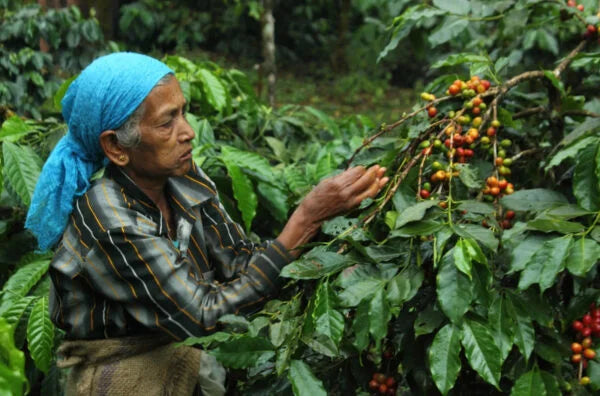
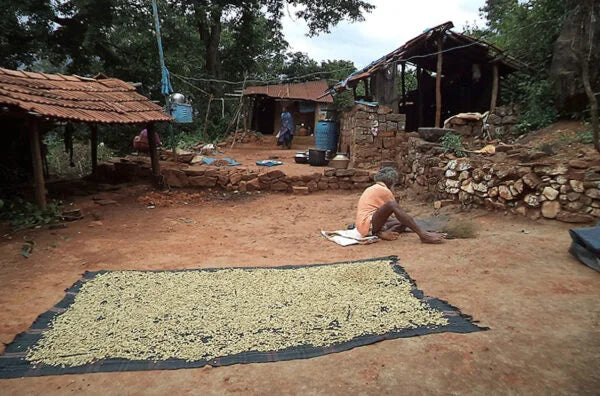
Experienced fifth-generation growers tend to the plants at every stage and harvest the drupes containing the beans by hand using the picking method, before checking and selecting all the harvested cherries again. They are then processed using the honey method, which gives them great aromatic complexity and a pleasant, fresh acidity in the cup.
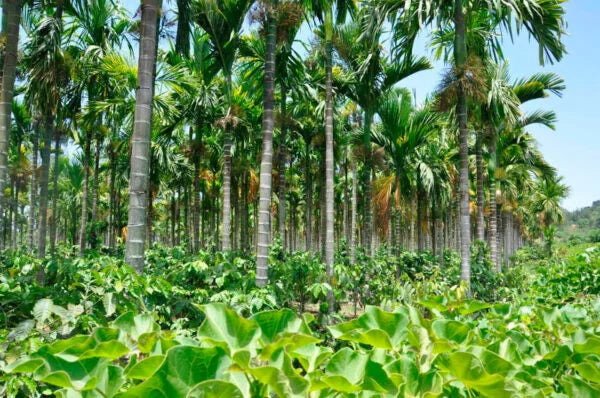
The plantation is surrounded mainly by oak, jackfruit and fig trees. It is thanks to these trees that the raw beans develop a range of aromas, with ever-changing, new and intense scents.
- Nose: intensely aromatic with hints of almond and cocoa
- Taste: first you taste the sweet notes of almond, then come the hints of tea leaves and red fruits together with a soft and pleasant acidity. From here we move on to notes of milk chocolate and tobacco leaves, ending with vanilla.
Ernani's advice: for espresso, use a dose of 8.5 g per dose.
Technical data sheet
- Aromatic notes: almonds, tea leaves, red fruits, milk chocolate, tobacco and vanilla
- Intensity: 7/10
- Body: 5/10
- Sweetness: 5/9
- Bitterness: 3/9
- Acidity: 6/9
- Aromatic intensity: 79
- Roasting: medium
- Suitable for: Those looking for a balanced and elegant single origin, sweet and with a wide aromatic range
- Origins: India
- Location: Bababudangiri Region, India
- Altitude: 1000m – 1450m above sea level
- Harvest type: picking
- Processing type: semi-washed
- Variety: Arabica
History of coffee
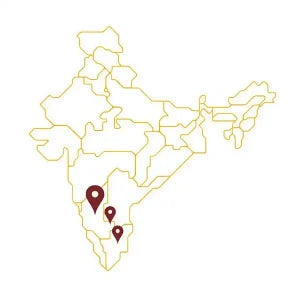
Today we travel to India in the Baba Budan Giri hills, below the Tropic of Cancer, which constitute the main region for the production and consumption of the dark drink.
In particular, with our Kalledevarapura, we are located in the region of Karnataka and Tamil Nadu.
Arrival of coffee in India
The legend of the arrival of the first raw coffee beans in India is very picturesque.
It is said that coffee first arrived in India in the 17th century thanks to a Muslim saint named Baba Budan. At the time, transporting raw beans outside of Arabia, the sole grower and exporter, was illegal precisely because they feared competition from potential other countries.
So Baba Budan smuggled seven coffee beans in his beard. Other legends say he ate the beans and then... once he reached his homeland.
He brought the grains from Yemen to the kingdom of Mysore, now part of Karnataka, where he planted them on a hill. From this, the hilly area took its current name, Baba Budan Giri.
Giri in the local language means hill and the first harvest in India took place in 1700.
The development of this type of crop was encouraged by British colonial rule.
Since independence, the sector has grown dramatically. However, the market is dotted with approximately 250,000 coffee growers, most of whom are small, local family-run producers.
In short, I imagine a trip to the Indian plantations with my eyes closed and my nose in the air, ready to capture all the imaginative automatic nuances and the intoxicating scent of flowers, fruits and spices.
Overall, Indian Arabica coffees have good acidity and creaminess, rich in aromas: from tea leaves to chocolate, from ripe fruit pulp to red berries, from chocolate to honey, and from nuts to spices and tobacco. In short, a triumph of flavor.
Our Kalledevarapura is good in every extraction: from espresso, to moka pot, to filter coffees for percolation and infusion.
Find out how to best prepare it with all the tools here.
It is grown on a small, artisanal plantation in Kalledevarapura, between 1,400 and 1,500 metres above sea level.
Have a good trip!